
Thermogenic Fat Burner 2026 — Proven Weight Loss Supplements That Actually Work
We cut through the marketing noise to show you exactly which weight loss supplements, shots, patches and plans are worth your money in 2026 — backed by real research, not sponsored hype.
How Thermogenic Fat Burners Work — The Honest Science
Let's start with the mechanism, because understanding this will save you from wasting money on supplements that can't possibly do what they claim.
Your body burns calories through three main pathways: basal metabolic rate (BMR — what you burn at rest, ~60–70% of total), physical activity (~20–30%), and the thermic effect of food (TEF — the energy used to digest and process what you eat, ~10%). Thermogenic supplements target the first pathway — raising your BMR so you burn more calories even when you're sitting still.
Thermogenic supplements raise core body temperature slightly, increasing the energy cost of maintaining homeostasis — this is the calorie-burning mechanism.
The Four Thermogenic Mechanisms That Actually Have Evidence
- Sympathomimetic stimulation (caffeine, synephrine) — binds adrenergic receptors, triggering release of norepinephrine which signals fat cells to release stored fatty acids for fuel. This is why you feel warm and energised from a good thermogenic. A meta-analysis in the American Journal of Clinical Nutrition (1995) found caffeine increased metabolic rate by 3–11% dose-dependently.
- Catechol-O-methyltransferase (COMT) inhibition (EGCG from green tea) — EGCG prevents the breakdown of norepinephrine, prolonging its fat-mobilising effect. The combination of caffeine + EGCG is synergistic, producing greater fat oxidation than either alone. A landmark study in the American Journal of Clinical Nutrition (1999) found green tea extract increased 24-hour energy expenditure by 4% and fat oxidation by 10% vs placebo.
- Transient receptor potential vanilloid 1 (TRPV1) activation (capsaicin/cayenne) — capsaicin activates heat receptors in fat tissue, triggering thermogenesis and fat oxidation directly. Studies show 1g/day of red pepper increases metabolic rate by ~4.4% for up to 30 minutes post-meal. Effect diminishes with habituation in regular spicy food eaters.
- Mitochondrial uncoupling (L-carnitine) — carnitine shuttles long-chain fatty acids into mitochondria for beta-oxidation. Doesn't directly raise temperature but makes fat-burning more efficient. Most effective at 2–3g/day in individuals with lower dietary carnitine intake (vegetarians, older adults).
Thermogenic Ingredients Evidence Summary
| Ingredient | Effective Dose | Metabolic Effect | Evidence Level | Side Effects |
|---|---|---|---|---|
| CaffeineStrongest | 150–400mg/day | +3–11% BMR, improved fat oxidation | ⭐⭐⭐⭐⭐ Excellent | Jitters, insomnia at high doses, tolerance |
| Green Tea EGCGTop Pick | 400–500mg EGCG | +4% energy expenditure, +10% fat oxidation | ⭐⭐⭐⭐⭐ Excellent | Mild nausea if taken fasted |
| Capsaicin / Cayenne | 2–6mg capsaicinoids | +4.4% post-meal thermogenesis | ⭐⭐⭐⭐ Good | GI discomfort, heartburn |
| L-Carnitine | 2–3g/day | Enhanced fat utilisation during exercise | ⭐⭐⭐ Moderate | Fish odour (TMAO), mild GI at high doses |
| Synephrine (bitter orange) | 20–40mg | Modest BMR increase, mild appetite suppression | ⭐⭐⭐ Moderate | Elevated heart rate at high doses |
| GlucomannanSatiety | 1–3g before meals | Reduces appetite, slows carb absorption | ⭐⭐⭐⭐ Good | Bloating initially; must drink plenty of water |
| Berberine | 500mg 2–3x/day | AMPK activation, improved insulin sensitivity | ⭐⭐⭐⭐ Good | GI upset initially; drug interactions |
| Garcinia CambogiaOverhyped | 1,500mg HCA | Negligible in controlled trials | ⭐ Poor | Liver toxicity at high doses |
| Raspberry KetonesNo Evidence | Any dose | No human clinical evidence of fat loss | ⭐ Poor | Generally mild; insufficient data |
Top Weight Loss Supplements Compared — What We Actually Recommend
Rather than rate every product on the market (there are thousands), here's our framework: a weight loss supplement is worth buying if it has transparent labelling, clinically effective ingredient doses, third-party testing, and a realistic mechanism. Here are the products we've reviewed that meet that bar — each with its own detailed review page.
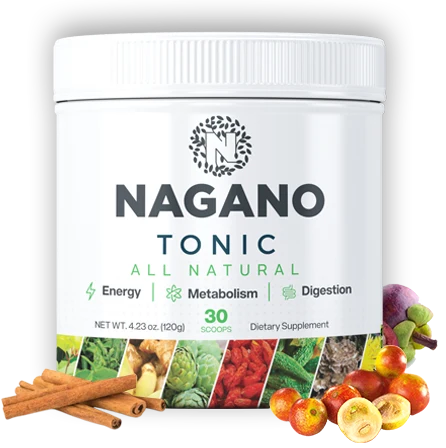
- Transparent ingredient doses
- Green tea EGCG at effective level
- No proprietary blend
- Includes adaptogen support
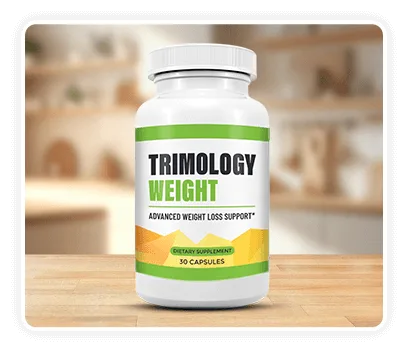
- Gut-first approach
- Good for weight loss plateaus
- Clean ingredient list
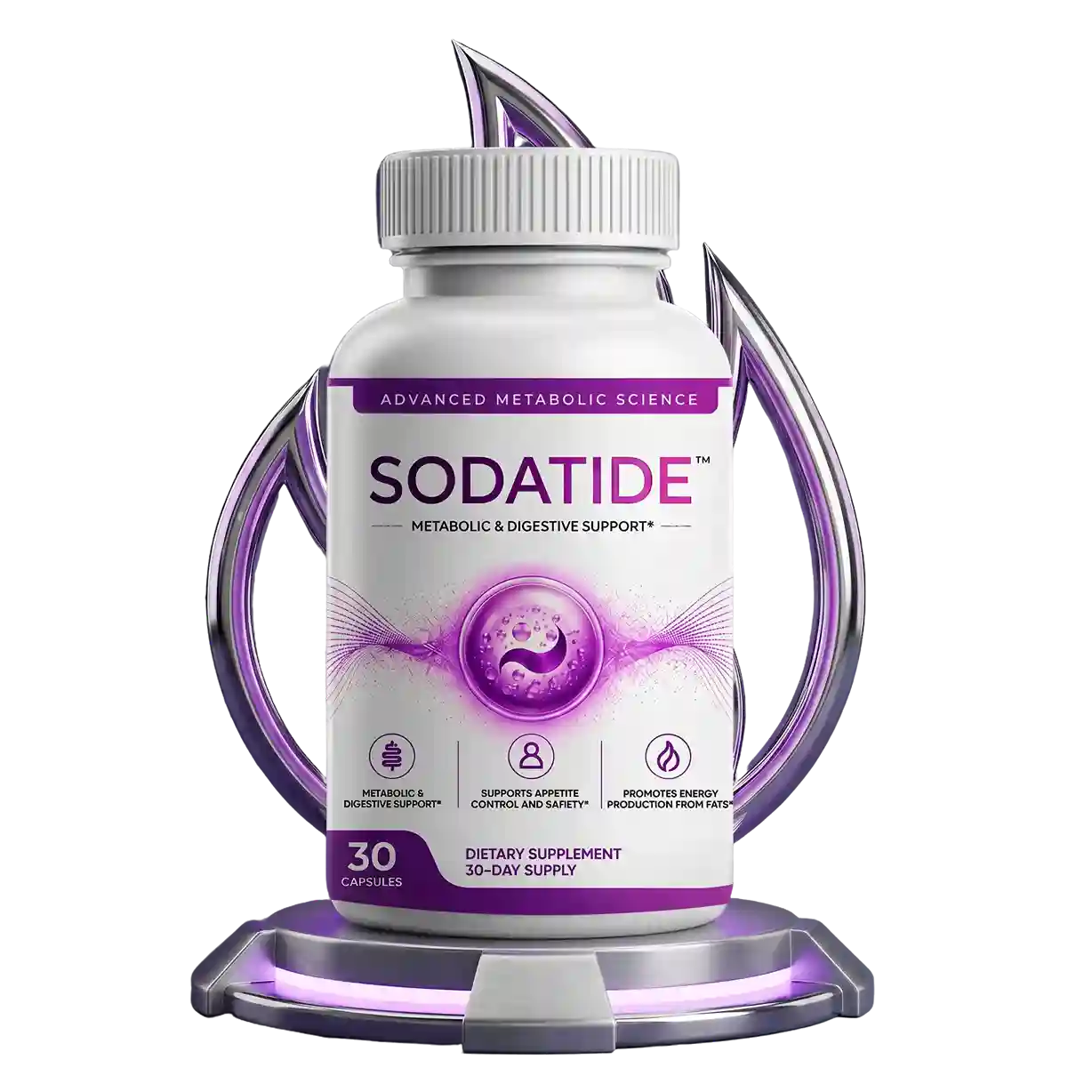
- Akkermansia muciniphila — clinically studied
- Only 3 ingredients (transparent)
- Good for gut health + weight
Full Weight Loss Supplement Comparison Table
| Product | Type | Key Ingredients | Best For | Rating |
|---|---|---|---|---|
| Nagano TonicEditor's Choice | Powder drink | EGCG, Ashwagandha, Camu Camu, Panax Ginseng | Overall thermogenic + energy | ★★★★★ 4.9 |
| Trimology | Capsule | Metabolic reset blend, gut microbiome support | Weight loss plateau, women over 40 | ★★★★☆ 4.4 |
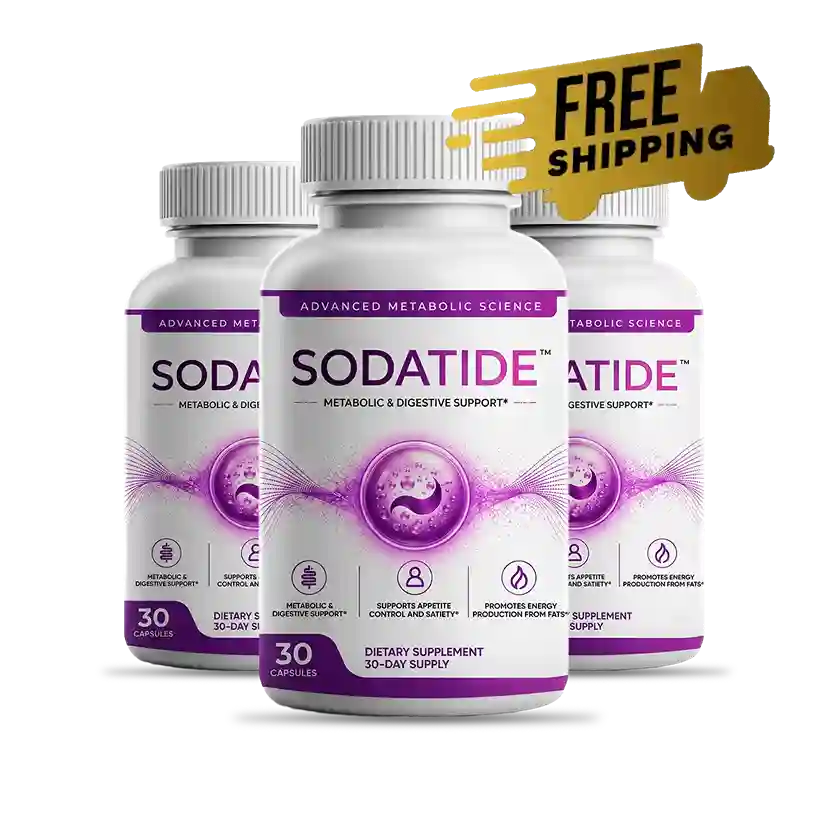
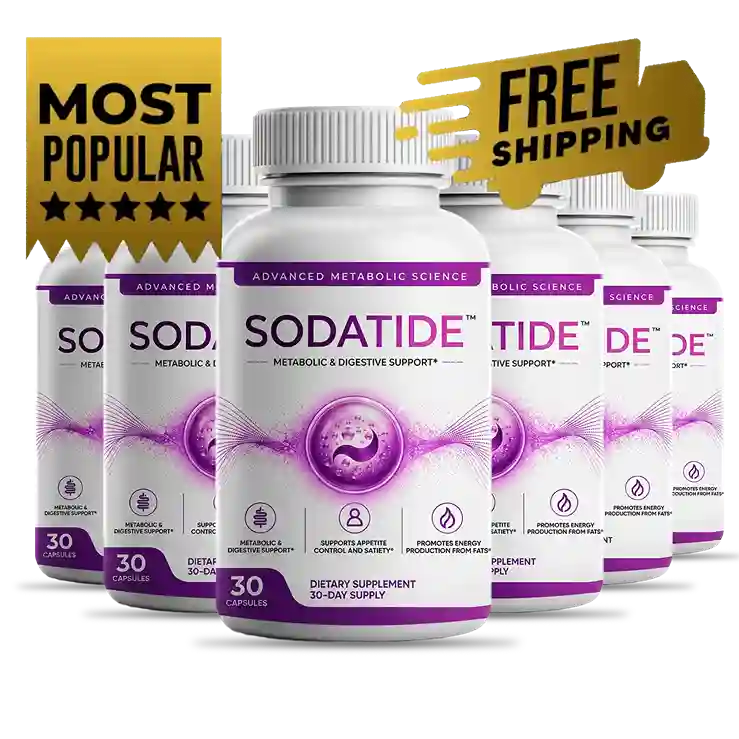
| Sodatide | Capsule | Akkermansia muciniphila, Chicory Inulin, RS2 | Gut-driven weight gain, bloating | ★★★★☆ 4.3 |
| Standard caffeine + EGCG stackBudget Pick | Two separate supplements | 200mg caffeine + 400mg green tea extract | Maximum thermogenic effect, DIY approach | N/A (combine yourself) |
| GLP-1 injection (prescription)Rx Required | Weekly injection | Semaglutide / tirzepatide | BMI 30+ or BMI 27+ with comorbidity | ★★★★★ Clinical gold standard |
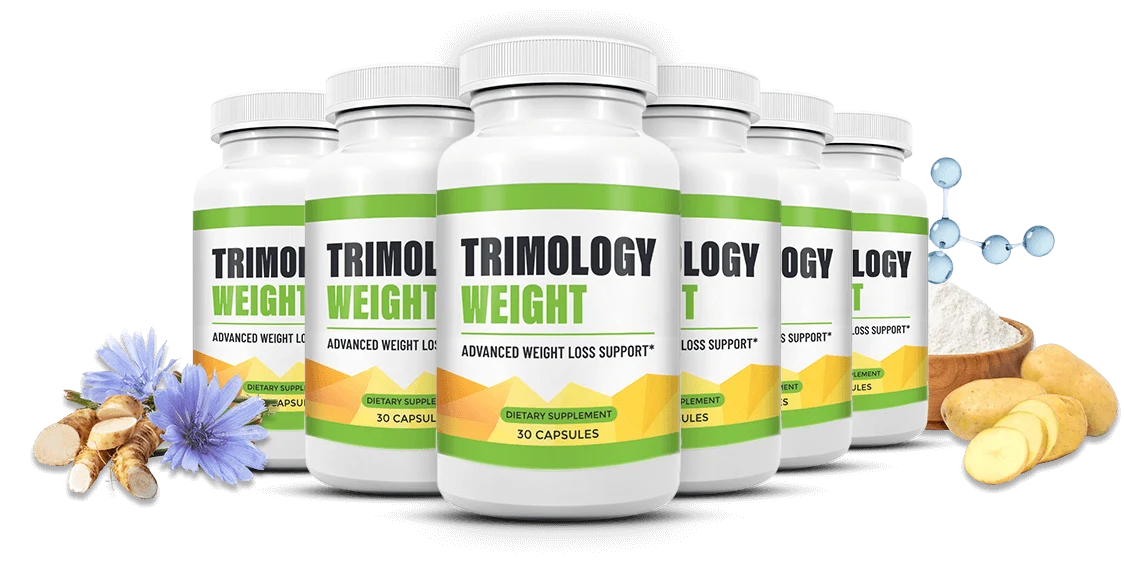
The ingredient label tells you everything. Products with proprietary blends that hide individual doses are a red flag — you can't verify whether any ingredient is present at an effective dose.
Weight Loss Shots — Everything You Need to Know Before Asking Your Doctor
Types of Weight Loss Shots Available in 2026
| Medication | Brand Name | Type | Average Weight Loss | Dosing | Rx Required |
|---|---|---|---|---|---|
| SemaglutideFDA Approved | Wegovy (weight), Ozempic (diabetes) | GLP-1 agonist | ~15% body weight over 68 weeks | Weekly subcutaneous injection | Yes — physician or weight loss clinic |
| TirzepatideStrongest | Zepbound (weight), Mounjaro (diabetes) | GLP-1 + GIP dual agonist | ~21% body weight over 72 weeks | Weekly subcutaneous injection | Yes — physician or weight loss clinic |
| Liraglutide | Saxenda | GLP-1 agonist | ~8% body weight over 56 weeks | Daily subcutaneous injection | Yes |
| B12 injectionsOverhyped | Various | Vitamin injection | No direct weight loss effect | Weekly or monthly | Varies by state |
| Lipotropic / MIC injectionsWeak Evidence | Various spa/clinic names | Methionine + Inositol + Choline | Very modest; no strong RCT data | Weekly at clinic | Usually from med spa or clinic |
The GLP-1 receptor agonists (semaglutide and tirzepatide) work by mimicking the GLP-1 hormone your gut releases after eating — it signals the brain that you're full, slows gastric emptying so food takes longer to leave your stomach, and reduces appetite at the hypothalamic level. The result is that most people simply stop being hungry. A landmark NEJM trial (2021) found semaglutide produced an average 14.9% body weight reduction over 68 weeks versus 2.4% for placebo, with 69% of participants losing more than 10% of their body weight.
Weight Loss Shots vs Supplements — Which Should You Choose?
| Factor | OTC Weight Loss Supplements | Prescription Weight Loss Shots |
|---|---|---|
| Average weight loss | 3–7% over 12 weeks (with diet) | 15–21% over 68–72 weeks |
| Prescription needed | No | Yes — doctor or weight loss clinic |
| Monthly cost (approx.) | $30–$80 | $800–$1,400 without insurance; $25–$150 with coverage |
| Side effects | Mild (jitters, GI upset) | Nausea, vomiting, constipation; rare: pancreatitis |
| Medical supervision | None required | Required (weight loss clinic or doctor) |
| Best for | BMI <30, general weight management, performance | BMI ≥30 or ≥27 with comorbidities, medically supervised loss |
Weight Loss Patches — Do They Actually Work?
Transdermal delivery works well for some molecules (hormones, nicotine, some pain medications) but most weight loss supplement ingredients do not penetrate skin effectively in therapeutic amounts.
Why Patches Generally Don't Work for Weight Loss
Transdermal drug delivery works well for specific molecules that are:
- Small molecular weight (<500 Daltons) — skin is a barrier that blocks most large molecules.
- Lipophilic (fat-soluble) — fat-soluble compounds cross the skin lipid barrier more easily.
- Active at low doses — nicotine patches work because nicotine is active at microgram doses; most weight loss ingredients need hundreds of milligrams.
Most weight loss patch ingredients — green tea extract, garcinia cambogia, apple cider vinegar, ginger — are large, water-soluble plant extracts that essentially cannot cross the skin barrier in meaningful amounts. The FTC has taken action against multiple weight loss patch companies for deceptive marketing claims. If you see a patch claiming to "melt fat while you sleep" or "suppress appetite through the skin," that is not supported by current science.
Weight Loss Clinic Near Me — How to Find the Right One
Searching for a weight loss clinic near me, weight loss near me or weight loss doctors near me returns a mix of legitimate medical practices and aggressive marketing med spas. Here's how to tell the difference and what to look for.
Types of Weight Loss Programmes Near You
| Type | What They Offer | Cost (Approx.) | Good For | Watch Out For |
|---|---|---|---|---|
| Obesity Medicine SpecialistMost Credible | GLP-1 Rx, medical nutrition, labs, monitoring | $150–$350/visit; medication separate | BMI ≥30, metabolic conditions, long-term care | Waitlists can be long |
| Primary Care Physician | Referrals, basic Rx, nutrition counselling | Covered by most insurance | First step; good starting point | Limited obesity medicine training |
| Telehealth Weight LossMost Accessible | GLP-1 Rx, coaching, nutrition plans remotely | $99–$299/month (incl. medication) | Busy people; no local clinics available | Varies in quality; check credentials |
| Commercial Weight Loss Programs | Structured diet plan, group support, coaching | $20–$60/month | Accountability, community, lifestyle change | No medical oversight; can't prescribe Rx |
| Med Spa / Wellness ClinicCaution | Lipotropic injections, B12 shots, IV drips | $50–$300/session | Adjunctive at best | Limited evidence for most services offered |
How to Find a Legitimate Weight Loss Doctor Near You
- Start with your primary care physician. Explain your weight loss goals and ask for a referral to an obesity medicine specialist or a medical weight management programme. Many PCP offices can now prescribe GLP-1 medications directly.
- Search the Obesity Medicine Association directory. Go to obesitymedicine.org and use their Find a Provider tool — it lists board-certified obesity medicine specialists across the US. These are the most qualified weight loss doctors near you.
- Check your insurance first. Under the ACA, obesity screening and counselling (Intensive Behavioral Therapy for Obesity) is a covered preventive service at zero cost. Many insurance plans also cover GLP-1 medications with a prior authorisation — call your insurer before your first appointment.
- Consider a telehealth option. If there's no weight loss clinic near me or near you, or you prefer remote care, services like Found, Calibrate, Ro Body and Noom Medical offer physician-supervised programmes with GLP-1 prescriptions in most US states. These are some of the most accessible weight loss programs near me available today. Initial consultation typically takes 15–30 minutes.
- Evaluate what the clinic actually offers. A legitimate weight loss program near me and near you will include nutrition counselling, behaviour change support, medical monitoring and follow-up. Whether you're searching weight loss near me or weight loss programs near me, be cautious of any clinic that sells supplements at the visit without a proper medical evaluation.
Weight Loss Plan — Building One That Actually Sticks
Here's the uncomfortable truth about weight loss plans: the best weight loss diet is the one you'll actually follow for more than 6 weeks. Dozens of studies have compared low-carb vs. low-fat vs. Mediterranean vs. intermittent fasting, and the consistent finding is that dietary adherence predicts outcomes far more strongly than the specific macronutrient split chosen.

An effective weight loss plan layers dietary deficit, exercise, sleep optimisation and targeted supplementation — each component amplifies the others.
The Four Components of an Effective Weight Loss Plan
| Component | Target | Calorie Impact | Notes |
|---|---|---|---|
| Dietary DeficitMost Important | 300–500 kcal below TDEE daily | −2,100–3,500 kcal/week = 0.6–1 lb/week | Calculate TDEE at TDEE.me; use food tracking for first 4–6 weeks |
| Protein TargetCritical | 1.6–2.0g per kg bodyweight/day | Preserves muscle; TEF adds ~100–150 kcal burn | Satiety is highest per calorie from protein — front-load meals with it |
| Resistance Training | 2–4x/week | +200–400 kcal/session + muscle preserves BMR | Prevents muscle loss during deficit; improves insulin sensitivity |
| NEAT Increase | 7,000–10,000 steps/day | +200–500 kcal/day | Non-exercise activity thermogenesis; cheapest fat burner there is |
| Sleep (7–9 hours) | 7–9 hours quality sleep | Regulates ghrelin/leptin; poor sleep increases hunger by 24% | Sleep deprivation is a massive, underrated driver of weight gain |
| Thermogenic Supplement | Quality thermogenic fat burner | +100–250 kcal/day additional burn | Additive to the above, not a replacement — fills the gap between baseline and goal |
Weight Loss Diet — Which Approach Works Best With Supplements?
Thermogenic fat burners pair especially well with certain dietary approaches:
- High-protein low-carb diet — already upregulates fat burning pathways (ketosis or partial ketosis). Adding a thermogenic that contains L-carnitine and green tea amplifies fat oxidation further. This combination produces the fastest initial fat loss.
- Calorie-counted balanced diet — the most sustainable long-term. A thermogenic adds 100–250 kcal/day of additional burn, effectively widening your deficit without further restricting food intake. This is the most popular approach for sustained weight management.
- Intermittent fasting (16:8 or 5:2) — thermogenics taken during the fasted window (caffeine + green tea in the morning) amplify the metabolic effects of fasting by increasing norepinephrine and fat mobilisation during the fasted state. Do not take stimulant thermogenics on completely empty stomachs if you're sensitive to nausea.
- Mediterranean diet — best for long-term cardiovascular outcomes combined with weight management. Pairs well with lower-stimulant thermogenics (EGCG-only, berberine, glucomannan) rather than high-caffeine formulas.
Long-Term Weight Management — Why Most People Regain and How to Avoid It
Here's the statistic that weight loss programs near you don't put in their marketing materials: approximately 80% of people who lose significant weight regain most of it within 5 years. The reason isn't lack of willpower — it's biology. Your body actively fights weight loss through multiple mechanisms that persist for years after the weight is lost.
The Biology of Weight Regain (and What Overcomes It)
After significant weight loss, research published in the New England Journal of Medicine (2011) found that hunger hormones remained elevated and satiety hormones depressed for at least 12 months after weight loss — meaning your body is literally sending you stronger hunger signals than before you dieted. Your resting metabolic rate also drops disproportionately to the weight lost — called metabolic adaptation.
What actually works for long-term weight management:
- Continued protein intake at 1.6–2g/kg — the most powerful tool to maintain metabolic rate and prevent muscle loss during weight maintenance.
- Resistance training maintained — muscle is metabolically expensive tissue. Every pound of muscle you maintain burns roughly 6–10 kcal/day at rest.
- Regular weigh-ins — research consistently shows people who weigh themselves weekly or daily are more successful at maintenance than those who avoid the scale. Early intervention when 3–5 lbs creep back prevents full regain.
- Long-term GLP-1 use — the STEP 4 trial found participants who stopped semaglutide regained most of the lost weight within 12 months. For many people, GLP-1 medications are most effective as a long-term treatment, not a short course.
- Maintenance-dose thermogenic — a lower-dose thermogenic (half the weight loss dose, primarily EGCG + carnitine without high stimulants) can help maintain metabolic rate during weight maintenance without driving dependence on stimulants.
Sustainable weight management requires layering lifestyle habits, regular monitoring and strategic supplementation — not short-burst crash diets.
Supplements for Weight Management (Maintenance Phase)
| Supplement | Role in Maintenance | Dose | Evidence |
|---|---|---|---|
| Green Tea Extract (EGCG)Top Pick | Maintains metabolic rate; no stimulant tolerance issue | 400mg/day | Strong — multiple RCTs show sustained metabolic effect |
| Protein supplement | Meets protein targets to preserve muscle and satiety | 25–40g/day on top of food | Very strong — satiety and muscle preservation well-documented |
| Glucomannan | Pre-meal appetite management; prevents overeating | 1g 30 min before meals | Good — reduces caloric intake at meals in RCTs |
| Probiotics / Gut support | Maintains gut microbiome diversity linked to metabolic health | 10+ billion CFU/day | Emerging — gut dysbiosis correlates with weight regain |
| Berberine | Maintains insulin sensitivity; targets metabolic adaptation | 500mg 2x/day | Good — comparable to metformin in some metabolic studies |
Our Reviewed Weight Loss Products — Read the Full Analysis
Every product below has been independently reviewed by our editorial team. No affiliate links. Click through for the full ingredient-by-ingredient breakdown, customer experience summary and our honest verdict.
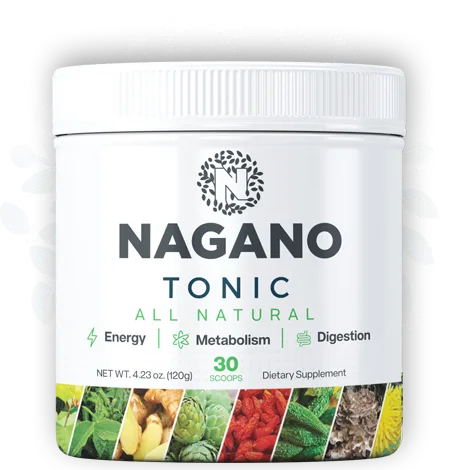
- Full ingredient transparency
- No proprietary blends
- Antioxidant + metabolic support
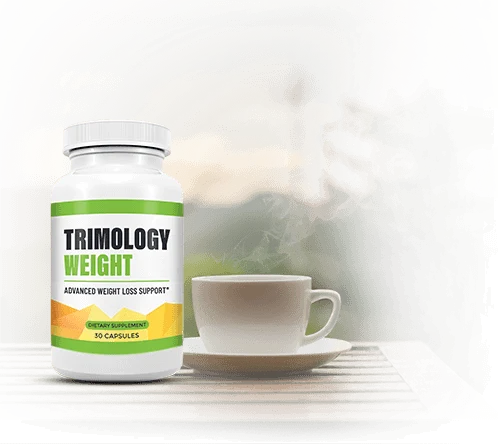
- Gut-metabolism approach
- Good for plateaus
- Clean formula
- Akkermansia — proven in RCTs
- Ultra-clean label
- Gut + weight synergy
Related Reviews in Other Categories
Weight management is connected to blood sugar, gut health and hormonal balance. These reviews from other categories are directly relevant if you're addressing weight loss comprehensively:
- Zensulin Review 2026 — blood sugar and insulin sensitivity supplement; better insulin function directly supports fat loss and prevents visceral fat accumulation.
- MetaGlucent Review 2026 — berberine-based glucose management; addresses the metabolic adaptation that makes weight regain more likely.
- Joint & Bone Health Guide 2026 — joint pain is a major barrier to exercise for many people with obesity; addressing it directly supports the activity component of any weight loss plan.
- Protein Supplements Guide 2026 — protein intake is the most critical dietary variable for fat loss while preserving muscle. Read this alongside your weight loss plan.
- Best Health Supplements 2026 — comprehensive health foundation; cortisol, sleep and stress management all have direct effects on body weight.
Frequently Asked Questions
Sources & References
- PubMed — Caffeine and metabolic rate increase: Am J Clin Nutr 1995
- PubMed — Green tea extract and 24-hour energy expenditure: Am J Clin Nutr 1999
- PubMed — Semaglutide weight loss trial (STEP 1): NEJM 2021
- PubMed — Hunger hormones persist after weight loss: NEJM 2011
- PubMed — Tirzepatide weight loss trial (SURMOUNT-1): NEJM 2022
- PubMed — Glucomannan and weight loss systematic review: Am J Clin Nutr 2011
- PubMed — Berberine vs metformin in type 2 diabetes: J Clin Endocrinol 2008
- PubMed — Akkermansia muciniphila and metabolic syndrome: Gut 2016
- PubMed — Capsaicin thermogenesis and fat oxidation review
- NIH ODS — Dietary Supplements for Weight Loss: Health Professional Fact Sheet
- FDA — Dietary Supplements for Weight Loss: Buyer Beware
- CDC — Adult Obesity Facts and Prevalence Data