
Protein Supplements for Muscle Gain 2026 — Your Honest, No-Hype Guide
Everything you need to know about protein, pre workout, probiotics, vitamins and mass gainers — written for real people, not gym bros. Updated October 2026.
Protein Supplements for Muscle Gain — Which Type Actually Works?
Let's start with the honest truth that the supplement industry doesn't love to say out loud: protein is protein. Your muscles don't care if it came from a fancy $80 jar or a plain tub from Costco. What matters is whether you're hitting your daily protein target, the amino acid profile is complete, and the product isn't full of unnecessary fillers.
That said, there are real differences between protein types that affect how fast they digest, how they taste, and how well they work for specific goals. Here's the breakdown.

The three main categories of protein supplements for muscle gain each have a different absorption profile and best-use case.
Whey Protein — The Gold Standard (and Why)
Whey protein is derived from milk during the cheese-making process and has the highest biological value of any protein source. It's fast-digesting (hits your bloodstream in about 1 hour), has a complete amino acid profile, and is especially high in leucine — the specific amino acid that flips on the muscle protein synthesis switch in your muscle cells. Research published in the Journal of the International Society of Sports Nutrition (2012) confirmed whey protein supplementation produces significantly greater gains in lean mass and strength than carbohydrate supplementation matched for calories.
There are three sub-types of whey and the differences actually matter:
- Whey Concentrate (WPC) — 70–80% protein by weight, retains more fat and lactose, slightly richer flavour, cheapest option. Fine for most people. Avoid if you're lactose sensitive.
- Whey Isolate (WPI) — 90%+ protein, most of the fat and lactose removed, faster digesting. Better choice if you're lactose intolerant or want fewer calories around workouts. This is what best whey protein reddit threads consistently recommend for clean gains.
- Whey Hydrolysate — pre-digested for even faster absorption. More expensive, sometimes bitter-tasting, and the speed advantage over isolate is marginal for most people. Skip it unless budget isn't a concern.
Casein Protein — The Slow Burn
Casein is also milk-derived but clots in your stomach and digests over 5–7 hours, creating a slow, sustained release of amino acids. It's not better or worse than whey — it serves a different purpose. Take casein before bed to keep your muscles fed overnight while you sleep. A study in Medicine & Science in Sports & Exercise (2012) found pre-sleep casein supplementation significantly increased overnight muscle protein synthesis compared to placebo. If your goal is muscle gain and you're not already eating a protein-rich dinner, this matters.
Plant Protein — Not Second Class Any More
Modern plant protein powders have come a long way. A blend of pea protein isolate and brown rice protein closely matches whey's amino acid profile, with pea contributing lysine and rice filling in methionine — the two amino acids each lacks individually. A study published in the Journal of the International Society of Sports Nutrition (2015) found pea protein produced similar gains in muscle thickness and strength to whey over an 8-week training programme. If you're dairy-free, vegan, or simply prefer plant sources, a pea + rice blend at 25–30g per serving is the right pick for protein supplements for muscle gain.
Protein Type Comparison — Side by Side
| Type | Protein % | Digestion Speed | Best For | Lactose | Cost |
|---|---|---|---|---|---|
| Whey Concentrate | 70–80% | Fast (~60 min) | Post workout, budget valueBest Value | Yes | $ |
| Whey Isolate | 90%+ | Very Fast (~45 min) | Post workout, lean gains, lactose-sensitiveTop Pick | Trace | $$ |
| Casein | 75–80% | Very Slow (5–7 hrs) | Pre-sleep, anti-catabolism | Yes | $$ |
| Pea + Rice Blend | 75–85% | Moderate (~90 min) | Vegan, dairy-free, all-day useBest Plant | No | $$ |
| Egg White Protein | 80–85% | Moderate | Dairy-free, complete amino profile | No | $$$ |
| Whey Hydrolysate | 85–90% | Ultra Fast (~30 min) | Intra/post workout (marginal benefit) | Trace | $$$$ |
What About Costco Protein Powder?
The best Costco protein powder question comes up constantly, and the answer is actually pretty good. Kirkland Signature Whey Protein (made by Cytosport) and the Orgain Organic Protein available at Costco both offer solid value — often 50–60% cheaper per serving than branded alternatives at GNC. The Kirkland whey has been independently verified to contain the protein amounts stated on the label. If you go through a lot of protein and care more about getting adequate amounts than about premium formulation, Costco is a genuinely smart choice.
Pre Workout Supplements — What Actually Gives You Energy vs What's Just Marketing
The pre workout supplement aisle is one of the most crowded, most overhyped and most unnecessarily complicated categories in sports nutrition. Let's cut through it.

Pre workout formulas range from simple caffeine + creatine blends to complex multi-ingredient stacks. Not all are worth the premium.
The Core Ingredients That Actually Do Something
- Caffeine (150–200mg) — the single most evidence-supported ergogenic aid in sports nutrition. Reduces perceived effort, improves power output, and delays fatigue. A meta-analysis in the British Journal of Sports Medicine (2012) confirmed caffeine improves endurance performance by an average of 11%. Take 30 minutes before training.
- Creatine Monohydrate (3–5g) — the most studied supplement in sports nutrition history. Increases phosphocreatine stores in muscle cells, allowing you to do more reps at high intensity. Not a stimulant, not a steroid — just cellular energy currency. Works for both men and women. Decades of research confirm it's safe and effective.
- Beta-Alanine (3.2g) — buffers lactic acid in muscles, delaying the burn during sets of 8–15 reps. Causes the harmless "tingle" (paraesthesia) some people feel. Works best for high-rep training and cardio lasting 1–4 minutes.
- L-Citrulline (6–8g) — a vasodilator that increases nitric oxide production, improving blood flow and muscle pump. More effective than L-Arginine because it converts to arginine more efficiently in the kidneys. Look for the full 6–8g dose — many products underdose this significantly.
Legion Pulse Natural Pre Workout — Worth the Price?
Legion Pulse Natural Pre Workout is consistently one of the most discussed pre workouts in informed fitness communities, and for good reason. It uses fully disclosed doses of clinically validated ingredients, no artificial sweeteners or colours, and is third-party tested by Labdoor. The full 8g L-citrulline, 3.6g beta-alanine and 350mg natural caffeine (from green tea and coffee extract) are all at or above research-effective doses. Is it expensive? Yes. Is it worth it for someone who wants to know exactly what they're taking and that it's all dosed correctly? Also yes.
Powher Pre Workout — Designed for Women
Powher Pre Workout specifically targets women with lower caffeine (100mg EnXtra natural caffeine, plus 150mg OxyShield), smaller serving size, no beta-alanine tingles and ingredients targeting female-specific energy and focus patterns. If standard pre workouts feel too intense or cause jitteriness, Powher is a legitimate lower-stimulant option with transparent labelling. The best Ryse pre workout (Godzilla flavour in particular) is the opposite end of the spectrum — extremely high stim, designed for experienced gym users who want an aggressive energy hit.
Best Pre Workout Foods — When You Don't Want a Supplement
You don't need a pre workout supplement to train well. The best pre workout foods provide carbohydrates for fuel, moderate protein, and are easy on the stomach. Here's what actually works:
| Food | Eat It | Why It Works | Calories |
|---|---|---|---|
| Banana + peanut butterTop Pick | 45–60 min before | Fast carbs + protein + healthy fats, portable and easy to digest | ~280 |
| Oats + Greek yogurt | 90 min before | Slow-release carbs + 15–20g protein for longer sessions | ~350 |
| Whole grain toast + eggs | 90 min before | Complete protein + complex carbs, steady energy release | ~400 |
| Rice cakes + nut butter + honey | 30 min before | Fast-digesting, low fibre, easy on the stomach | ~250 |
| CoffeeFree Ergogenic | 30 min before | Caffeine at 3–6mg/kg bodyweight is as effective as most pre workouts | ~5 |
Post Workout Protein — What to Take, When, and How Much
The post workout protein shake has been a gym ritual for decades, and the science behind it is solid — just not as rigid as the industry would have you believe. Your muscles are more sensitive to protein synthesis signals for 2–4 hours after training, but the "30-minute anabolic window" idea has been walked back significantly by recent research.
What the research actually says: total daily protein intake matters more than exact timing. But if your last meal was 4+ hours ago and you trained hard, a protein shake after workout is absolutely worthwhile. Here's the ideal post workout protein formula:
Protein Powder After Workout — Liquid vs Food
A protein powder after workout is convenient and fast-digesting, but it's not inherently superior to food. 4 ounces of chicken breast, 3 eggs, or 1 cup of Greek yogurt all deliver 25–30g of protein. The advantage of protein powder is speed and convenience — you can mix and drink it in 2 minutes in the gym car park. If real food is accessible within 30 minutes of training, go with food. If not, protein powder after workout is a smart practical choice.
Best Protein Bars for Men — Post Workout Snack Option
Protein bars are a convenient post workout option when shakes aren't practical. The best protein bars for men balance high protein content with low sugar and reasonable ingredients. Look for bars with at least 20g of protein, under 10g of added sugar, and ideally a short ingredient list. The most consistently well-regarded options in 2026:
- Clean ingredient list
- No added sugar (just dates)
- Available at most grocery stores
- Highest protein per bar
- Wide flavour selection
- Works well post workout
- Best-tasting on the market
- Reasonable macros
- No proprietary blends
Protein Supplements for Women — Is "Women's Protein" Actually Different?
Here's the honest answer to a question the supplement industry would rather you not ask: there is no physiological reason women need a different protein powder. Muscle tissue is muscle tissue. Leucine triggers MPS the same way regardless of sex. The "protein supplements for women" category is mostly marketing — smaller serving sizes, pink packaging, and lower doses that often underserve women's actual protein needs.
That said, there are legitimate reasons some women prefer "women-focused" products: they often include iron, calcium and vitamin D that many women are deficient in, and the serving sizes (20–25g protein) are appropriate for smaller calorie budgets. But don't pay a premium for the label if a standard whey isolate or plant protein serves you just as well.
Protein Shakes After Workout for Females — What's Different?
The post workout nutrition principles for women are essentially the same as for men, adjusted for body weight and goals. Research published in the Journal of Physiology (2017) found women respond to protein supplementation and resistance training with equivalent relative gains in muscle mass and strength to men — they just start from a lower absolute baseline due to lower testosterone. Practically, this means:
- Aim for 1.6–2.0g of protein per kg of bodyweight daily — the same as men by bodyweight.
- A post workout shake of 20–25g protein is sufficient for most women (men benefit from 30–40g).
- Protein shakes after workout for women work best combined with carbohydrates — don't skip the carbs in pursuit of a lower calorie intake at the expense of recovery.
- Choose a product with minimal added hormones or "waist slimming" additives — those additions aren't supported by research.
Best Mass Gainer for Beginners — What to Look For (and Avoid)
Mass gainers — also called weight gain tablets or weight gain capsules in some markets — are high-calorie supplements designed for people who struggle to eat enough food to support muscle gain. The basic formula is simple: more protein + a lot of carbohydrates + some fat = more calories in a convenient powder. They're not magic, but they serve a real purpose for "hardgainers" who eat plenty but still can't reach a caloric surplus.
Mass Gainer vs Protein Powder — Which One Do You Need?
| Feature | Protein Powder | Mass Gainer |
|---|---|---|
| Calories per serving | 100–150 kcal | 500–1,250 kcalHigh Cal |
| Protein per serving | 20–30g | 30–50g |
| Carbohydrates | 2–10g | 100–250g |
| Best for | Lean muscle gain, weight maintenance, hitting protein targets | Hardgainers, underweight individuals, building mass in a genuine caloric surplus |
| Risk if misused | Low | Fat gain if calorie surplus is excessiveCaution |
| Who should use it | Most people training for muscle or health | Only if you genuinely struggle to eat 3,000+ kcal/day from food |
The best mass gainer for beginners should have a 1:3 to 1:5 protein-to-carb ratio (not 1:10 like some budget gainers), use whole food carbohydrate sources (oat flour, sweet potato) rather than pure maltodextrin, and contain 50g or less of sugar per serving. Transparent Labs Mass Gainer and Naked Mass are consistently the most trusted options based on third-party testing and ingredient transparency. Best weight gain tablets for male who want a capsule rather than a powder are less effective — you simply can't get enough calories in capsule form. The term "weight gain capsules" is usually a marketing term for appetite stimulants or calorie-dense herbal extracts that don't deliver meaningful caloric surplus.
Probiotic Supplements for Gut Health — What the Science Actually Says
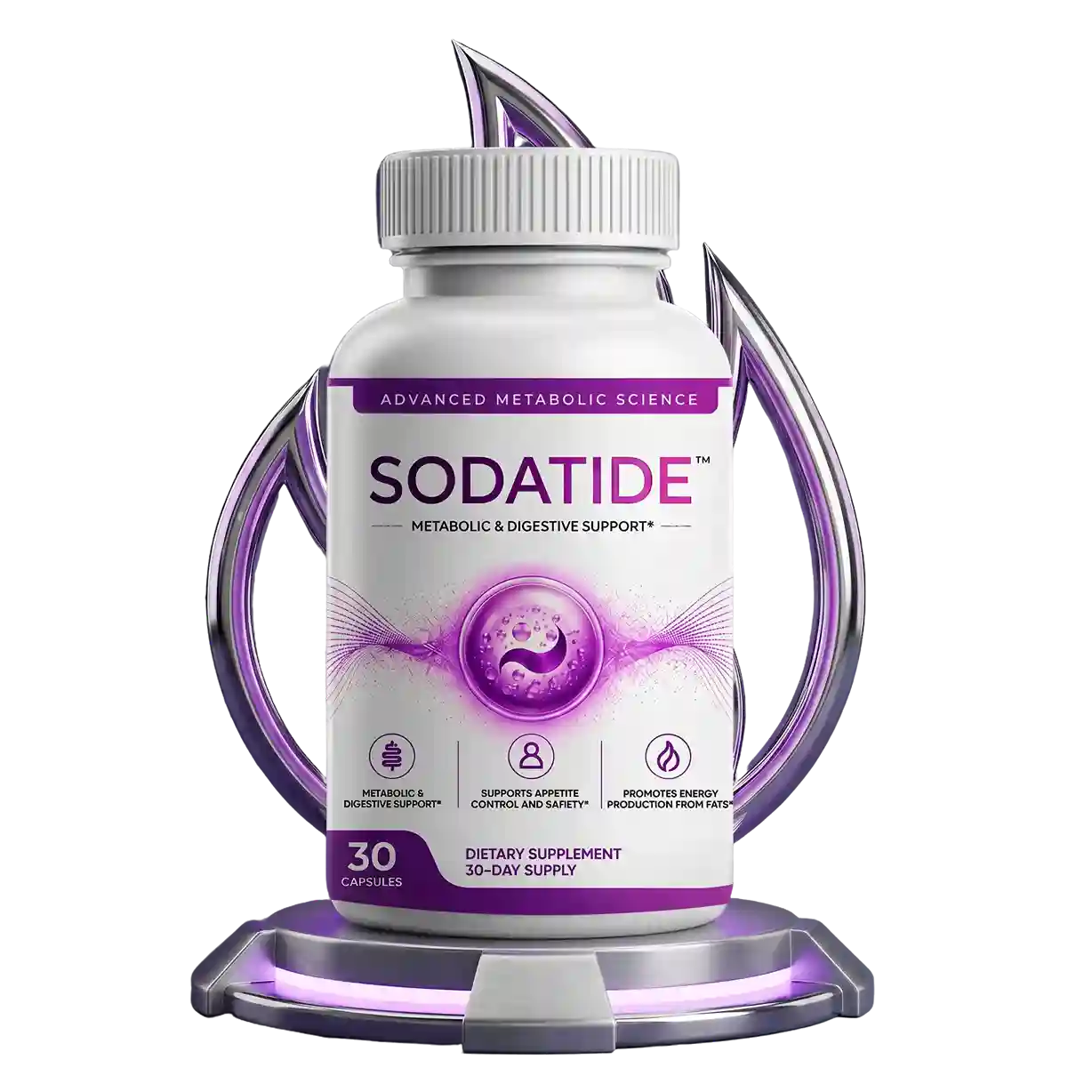
Probiotic supplements vary enormously in strain selection, CFU count and viability at the time of consumption. These factors matter more than price.
Probiotic supplements for gut health have become one of the fastest-growing supplement categories, and the science backs up most of the hype — with some important nuances. The key is understanding that not all probiotics do the same thing. Different strains act on different parts of the gut, target different conditions, and have different supporting evidence bases.
What Probiotics Actually Do Well
- Antibiotic-associated diarrhoea — Lactobacillus rhamnosus GG has the most evidence here, reducing AAD risk by up to 60% according to a meta-analysis in JAMA (2012). Take it during antibiotic courses, separated by 2 hours from the antibiotic dose.
- IBS symptoms — Bifidobacterium infantis 35624 and multi-strain products including Lactobacillus acidophilus have shown significant improvements in bloating, gas and bowel frequency in patients with IBS in multiple RCTs.
- Immunity — Lactobacillus rhamnosus and Bifidobacterium lactis supplementation reduced the incidence and duration of upper respiratory infections in multiple trials including a study in Pediatrics (2011).
- Restoring gut flora after illness — a broad multi-strain probiotic (5–10 strains at 10–50 billion CFU) supports faster restoration of healthy microbiome diversity after gut infections or travel.
Best Way to Take Probiotics — Timing and Practical Tips
The best way to take probiotics depends slightly on the product's delivery mechanism, but general guidance based on survivability research:
- Take them with a small amount of food — the food's buffering effect in the stomach slightly reduces the acid exposure that kills live bacteria. Not before a large high-fat meal, though, as fat slows gastric emptying and increases acid time.
- Morning with breakfast or evening 30 minutes after dinner both work well — consistency beats optimal timing. Pick whichever slot you'll actually remember.
- Keep them refrigerated if the label says to — some spore-form probiotics (Bacillus coagulans, Bacillus subtilis) are shelf-stable and don't require refrigeration, but Lactobacillus and Bifidobacterium strains are more fragile.
- Minimum 10 billion CFU for a therapeutic effect. Many budget products list impressive CFU counts "at time of manufacture" that fall well below viable levels by the time you buy them.
For a supplement that combines prebiotics and gut-targeted probiotics for weight management, see our review of the Sodatide 3-Ingredient Gut Formula and Trimology — both built around the gut microbiome connection to metabolic health.
Vitamins and Multivitamins — Cutting Through the Noise
The vitamin aisle is where good intentions meet aggressive marketing and the results are often disappointing. Most people don't need a 50-nutrient mega-multivitamin — they need the specific vitamins they're actually deficient in, in forms the body can absorb. Here's the honest breakdown by group.
Best Nutritional Supplements for Elderly Adults
As we age, our ability to absorb certain nutrients declines significantly. By age 70, vitamin B12 absorption from food can be as low as 10% of what it was at 30, because stomach acid (needed to cleave B12 from food proteins) decreases. The best nutritional supplements for elderly adults address the specific gaps ageing creates:
- Reduces fall risk
- Supports immune health
- Very inexpensive
- Prevents neurological decline
- Improves energy levels
- Critical for metformin users
- Heart protection
- Brain and memory support
- Anti-inflammatory
Best Multivitamins for Diabetics
People with type 2 diabetes have specific nutritional concerns that most generic multivitamins don't address well. The best multivitamins for diabetics should include:
- Chromium picolinate (200–400mcg) — enhances insulin receptor signalling and has shown modest blood glucose reductions in multiple trials.
- Magnesium (glycinate or malate form, 200–400mg) — type 2 diabetes depletes magnesium through increased urinary excretion. Low magnesium worsens insulin resistance. This is genuinely important.
- Vitamin D3 (1,000–2,000 IU) — low vitamin D is independently associated with worse blood sugar control.
- B12 and B6 — especially important for people taking metformin, which interferes with B12 absorption. The NIH notes metformin users should monitor B12 status regularly.
- No high-dose vitamin A — diabetics have impaired clearance of retinol and excess vitamin A supplementation is associated with liver stress.
- No gummy form — gummy vitamins contain 2–8g of added sugar per serving. The best multivitamin for diabetic female and male patients should be in capsule or tablet form.
For a deeper look at blood sugar management supplements, see our Zensulin Review and MetaGlucent Review 2026.
Best Multivitamins for Teenage Growth
Teenagers have higher requirements for several nutrients than adults — calcium, iron (especially in girls), zinc, magnesium and vitamin D are the most critical during the growth phase. The best multivitamins for teenage growth should have:
- 1,000–1,300mg calcium equivalent from dietary and supplement sources combined (supplements should provide 300–500mg to complement food intake).
- Vitamin D3 at 600–1,000 IU — particularly important for teens who don't spend time outdoors.
- No mega-doses of fat-soluble vitamins (A, E, K, D) — unlike water-soluble vitamins, these accumulate and can cause toxicity at very high doses in growing bodies.
- Iron in teen girls: 15mg daily RDA versus 11mg in teen boys. Look for gender-specific formulations.
Best Men's Multivitamin
The best mens multi vitamin for 2026 looks different from a general multivitamin in a few key ways: no iron (men over 18 rarely need supplemental iron and excess promotes cardiovascular oxidative stress), higher B vitamins for energy metabolism, vitamin D3 and K2 for bone and cardiovascular health, selenium and lycopene for prostate support, and magnesium for testosterone production and sleep quality. Garden of Life Vitamin Code for Men and Thorne Basic Nutrients for Men are the most consistently praised among best supplements reddit threads for transparency and third-party testing. For men's vitality supplements beyond a basic multivitamin, see our AlphaRock Review and Vigor Peak Review.
Best Women's Vitamins
The best womens vitamins address the different nutritional demands women face across different life stages. For women of reproductive age: iron (18mg), folate (400–800mcg), calcium and vitamin D. For pregnant women, switch to a prenatal with methylfolate (not just folic acid) and DHA. For postmenopausal women: drop the iron, increase calcium, vitamin D3 and K2 significantly, and add omega-3. The best overall women's multivitamin is one that matches your life stage, not a one-size-fits-all formula with a flower on the label.
Best Vitamins for Respiratory Infection
A common search during cold and flu season, and the honest answer is more nuanced than most supplement brands want to admit. The best vitamins for respiratory infection support fall into two categories — prevention and acute treatment:
- Prevention: Vitamin D3 (1,000–2,000 IU daily) is the strongest evidence-based option for reducing respiratory infection risk. A large meta-analysis in the BMJ (2017) found vitamin D supplementation reduced acute respiratory tract infection risk by 12–42% — with the largest benefit in those who were deficient.
- Zinc (15–25mg) — started within 24 hours of symptom onset, zinc lozenges have been shown to shorten cold duration by 1–2 days. Don't take high-dose zinc long-term — it depletes copper.
- Vitamin C (500–1,000mg) — evidence for prevention is weak in well-nourished populations, but there's consistent evidence for reducing cold duration. Doesn't cure infections, but modestly shortens them.
- Elderberry extract — some reasonable RCT data suggesting reduced cold duration and severity. Take at symptom onset.
Best Foods for Vitamin C — Food First, Always
The best foods for vitamin C beat supplements in bioavailability and come packaged with additional phytonutrients that enhance absorption. The list might surprise you — citrus fruit is not the top source:
- Red bell pepper — 190mg per cup, nearly 3× an orange. Highest food source of vitamin C.
- Guava — 228mg per fruit. Rarely mentioned but extraordinary.
- Kiwi fruit — 64mg per kiwi, easy to eat daily.
- Broccoli — 81mg per cup raw (cooking destroys some vitamin C, so eat it partially cooked or raw).
- Strawberries — 85mg per cup.
- Orange juice — 93mg per cup, the classic choice but also 26g of sugar. Eat the whole fruit instead.
Best Way to Drink Collagen Powder — And Does It Actually Work?
Collagen powder has exploded in popularity for skin health, joint support and muscle recovery. The most common questions are whether it actually works and how to take it for best results.
The short scientific answer: yes, hydrolysed collagen peptides (the form in all reputable collagen supplements) do get absorbed and show up in joint tissue and skin. Research in the journal Nutrients (2018) found specific collagen peptides improved joint pain and skin elasticity with consistent daily use. Key points on effectiveness:
- 10–15g daily is the dose used in most positive studies.
- Take with 30–50mg of vitamin C — vitamin C is essential for collagen synthesis in the body and improves how well collagen peptides are used once absorbed.
- Consistency matters — effects take 8–12 weeks to show.
Best Way to Drink Collagen Powder — Practical Tips
- Add it to coffee or tea — collagen peptides are flavourless and dissolve easily in hot drinks. This is the most popular method and doesn't change the taste of your morning coffee at all.
- Blend into a smoothie — pairs well with fruit (which also provides natural vitamin C), yogurt or nut milks. Masks any slight odour from cheaper marine collagen products.
- Stir into oatmeal — dissolves well in hot oats and adds protein without changing the texture significantly.
- Avoid very cold water first — collagen peptides can clump in cold water. Mix in warm water first, then add ice if needed.
- Take at any time of day — timing doesn't matter much for skin and joint benefits. For joint support with exercise, some evidence supports taking it 30–60 minutes before training with vitamin C to direct it toward cartilage tissue.
Quick Product Comparison Tables
Pre Workout Supplement Comparison 2026
| Product | Caffeine | Creatine | Citrulline | Natural? | Best For |
|---|---|---|---|---|---|
| Legion Pulse NaturalTop Pick | 350mg (natural) | No | 8g L-Cit | ✅ Yes | Transparent, clean formula |
| Powher Pre WorkoutWomen | 100mg (natural) | No | 2g | ✅ Yes | Lower stim, women-focused |
| Ryse Loaded Pre | 390mg | 3.2g | 4g | ❌ No | High energy, experienced users |
| Transparent Labs BULK | 200mg | 5g | 8g L-Cit | ✅ Yes | Mass-focused with creatine |
| C4 OriginalBudget | 150mg | 1g | 1g | ❌ No | Entry-level, widely available |
| Black Coffee (2 cups)Free | 180–200mg | No | No | ✅ Yes | Budget, no extras needed |
Multivitamin Recommendation by Group
| Who | Key Needs | Avoid | Form |
|---|---|---|---|
| Men 18–50 | Vitamin D, B vitamins, selenium, zinc, magnesium | Iron, excess vitamin A | Capsule or tablet |
| Women 18–50 | Iron (18mg), folate, calcium, vitamin D3 | High-dose vitamin A in early pregnancy | Capsule or tablet |
| Teens (growth) | Calcium, vitamin D3, iron (girls), zinc, B vitamins | Mega-dose fat-soluble vitamins | Chewable or capsule |
| DiabeticsPriority | Chromium, magnesium, B12, vitamin D3 | Gummies (sugar), excess vitamin A | Tablet or capsule only |
| Adults 65+ | Vitamin D3 (2,000 IU), sublingual B12, omega-3, calcium citrate | Iron, retinol (vitamin A) | Capsule or liquid |
| Women 65+ | Calcium citrate, D3 + K2, B12, omega-3, magnesium | Iron, excess vitamin A, gummies | Capsule or tablet |
Recommended Supplements — What the Evidence Actually Justifies
These are the recommended supplements that most adults would benefit from, based on prevalence of deficiency, strength of evidence, and safety profile:
- Vitamin D3 (1,000–2,000 IU) + K2 (100mcg MK-7) — deficiency is near-universal in northern climates and indoor lifestyles. The D3+K2 pairing directs calcium into bone rather than arteries.
- Magnesium (glycinate or malate, 200–400mg) — involved in 300+ enzymatic processes. Most people don't get enough from food. Take at night — also improves sleep quality.
- Omega-3 (EPA+DHA, 1–2g from fish oil) — proven cardiovascular, brain and anti-inflammatory effects. Most people's omega-6:omega-3 ratio is too high due to processed food consumption.
- Creatine monohydrate (3–5g daily) — for anyone doing resistance training or strength-based sport. Most evidence-supported performance supplement available. Also has emerging cognitive benefits.
- Protein (to meet daily targets) — food-first, supplement when needed. Most people training hard don't eat enough protein from whole foods alone.
For broader supplement category guides, see our Complete Health Supplements Guide 2026 covering joint, bone, brain and cardiovascular health in detail.
Frequently Asked Questions
More Supplement Reviews on BestSupplement.org
For in-depth individual product analysis across all health categories:
Men's Health & Vitality
- Soda Peak Review 2026 — 9-ingredient male vitality gummy with Ashwagandha, Maca & L-Arginine
- SodaBoost Review 2026 — 6-ingredient male vitality gummy from SodaBoost Research
- Horse Peak Gelatin Review 2026 — 200mg Tongkat Ali plus collagen-gelatin base
- Horsewood Review 2026 — 1,000mg Tongkat Ali capsule formula
- AlphaRock Review 2026 — stimulant-free with L-Citrulline, Pine Bark and Saffron
- Vigor Peak Review 2026 — testosterone and energy support
Weight Loss
- Trimology Review 2026 — metabolic reset formula targeting gut microbiome
- Sodatide Review 2026 — 3-ingredient gut formula with Akkermansia muciniphila
- Nagano Tonic Review 2026 — Japanese-inspired powder with EGCG and Ashwagandha
Joint Pain
- AMP Joint 10 Review 2026 — multi-ingredient joint health formula
Brain Health
- VapoCept Brain Formula Review 2026 — 6 ingredients for vascular brain health
Prostate & Diabetes
- Prostavive Review 2026 — prostate health support
- Flow Strong Review 2026 — urinary flow and prostate support
- Zensulin Review 2026 — blood sugar and insulin support
- MetaGlucent Review 2026 — glucose management with berberine
Browse all reviews at our full reviews index or the Health and Wellness category. Also read our Joint, Bone and Brain Health Supplements Guide 2026 for research on supplement categories beyond protein and workout nutrition.
Sources & References
- PubMed — Whey protein and lean mass gains vs carbohydrate: JISSN 2012
- PubMed — Pre-sleep casein protein and overnight MPS: Med Sci Sports Exerc 2012
- PubMed — Pea protein vs whey protein in muscle thickness: JISSN 2015
- PubMed — Caffeine and endurance performance meta-analysis: BJSM 2012
- PubMed — Creatine monohydrate safety and efficacy review
- PubMed — Women's response to protein supplementation and resistance training: J Physiol 2017
- PubMed — Probiotics and antibiotic-associated diarrhoea meta-analysis: JAMA 2012
- PubMed — Probiotics and upper respiratory infection prevention: Pediatrics 2011
- PubMed — Vitamin D supplementation and respiratory infection risk: BMJ 2017
- PubMed — Collagen peptides and skin/bone outcomes: Nutrients 2018
- NIH ODS — Vitamin B12: Health Professional Fact Sheet
- NIH ODS — Calcium: Health Professional Fact Sheet
- FDA — Dietary Supplements Regulatory Information
- CDC — Micronutrient Facts and Deficiency Overview